Temperature measurement
Thermometers and transmitters for the process industry
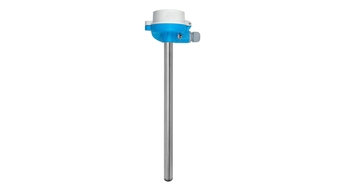
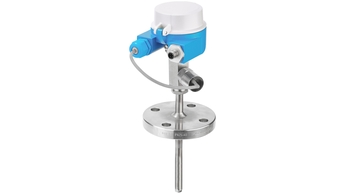
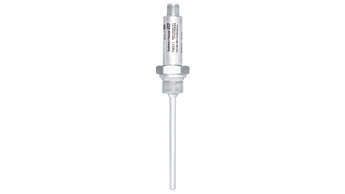
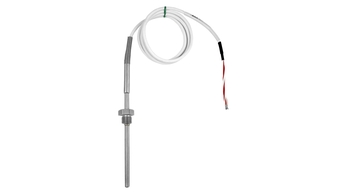
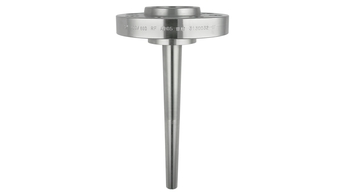
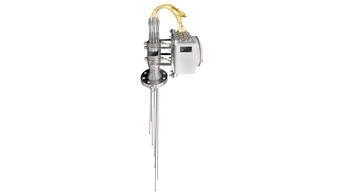
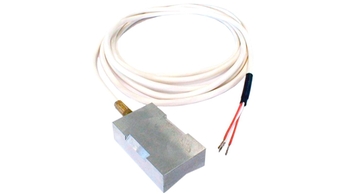
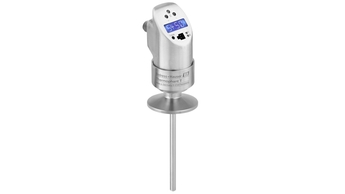
Endress+Hauser offers a complete assortment of compact thermometers, modular thermometers, thermowells, measurement inserts, transmitters and accessories for all types of process industries such as Oil & Gas, Chemicals, Food & Beverage, Life Sciences, Primaries & Metal, Power & Energy.
Benefits
Highest plant availability & safety through most reliable sensor technology & traceable, accredited calibrations
Cost savings & process optimization through fast, robust & highly accurate iTHERM sensors
Lowest operating expenditures through seamless integration, easy handling and long lifetime
Trouble-free plant certification through international approvals
User-friendliness and expert's support through all stages of the life cycle
Temperature measurement
Our product finder helps you to search for suitable measuring devices, software or system components via product characteristics. Applicator leads you through an individual product selection via application parameters.
Products
Downloads
-
Temperature measurement for the process industry
Temperature Measurement - Thermometers and transmitters for the process industry
File size:
File name:
-
-
Standard products
- Reliable, robust and low-maintenance
Technical excellence
Simplicity
-
Specialized products
- Designed for demanding applications
Technical excellence
Simplicity
Variable
FLEX selections Technical excellence Simplicity - F
- L
- E
- X
Fundamental selection
Meet your basic measurement needs
Technical excellence Simplicity - F
- L
- E
- X
Lean selection
Handle your core processes easily
Technical excellence Simplicity - F
- L
- E
- X
Extended selection
Optimize your processes with innovative technologies
Technical excellence Simplicity - F
- L
- E
- X
Xpert selection
Master your most challenging applications
Technical excellence Simplicity Variable
-