

Nutrient feed
Antifoam feed
Base and acid feed
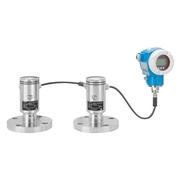
Liquid level in the bioreactor
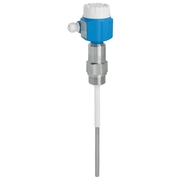
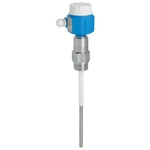
Foam level in the bioreactor
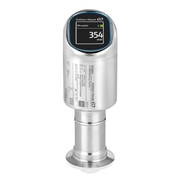
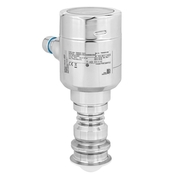
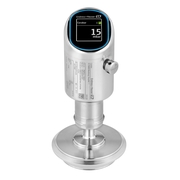
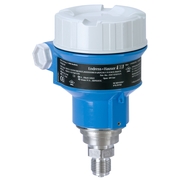
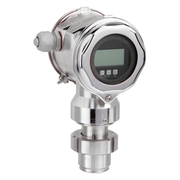
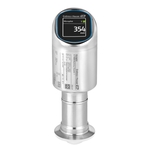
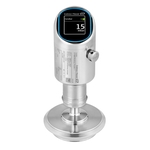
Pressure in the bioreactor
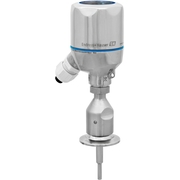
Temperature in the bioreactor
Oxygen in the bioreactor
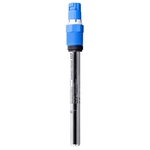
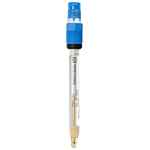
pH in the bioreactor
Optical density
| Measuring point | Product | Alternatives | ||
|---|---|---|---|---|









Key instrumentation challenges in the fermentation process
Fermentation is one of the most challenging unit operations in biopharma, since you're dealing with a living biological system where process conditions directly affect cell growth, product yield, product quality, and regulatory compliance. The key challenge is not simply measuring process variables. It is obtaining reliable, sterile, accurate measurements over long batch durations while maintaining GMP compliance and avoiding contamination.
- Real-time biomass and cell viability measurement: The biggest challenge is that operators need real-time insight into cell growth and viability, but these parameters are difficult to measure directly and often rely on offline sampling or inferential models. This creates a gap between what the cells are actually doing and what the instrumentation can reliably measure.
- Dissolved oxygen (DO) control at high cell densities: As biomass increases, oxygen demand can exceed the bioreactor's oxygen transfer capability, making DO one of the most difficult variables to maintain. Sensor drift, response time, and changing process conditions further complicate accurate control.
- Maintaining accurate measurements without compromising sterility: Every sensor must withstand cleaning and sterilization cycles while maintaining accuracy and not introducing contamination risks. Achieving reliable measurements under strict GMP and aseptic requirements remains a constant instrumentation challenge in biopharma fermentation.




FAQ
